
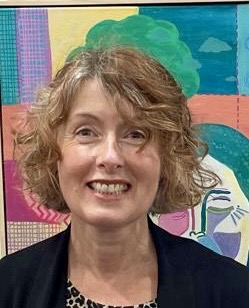
About Lyn
Lyn has been volunteering as a Companion with PLHH since 2024. Her role involves offering emotional, spiritual (Buddhist‑informed) and practical support to people with a life‑limiting illness, and she now visits one person regularly.
Lyn shares how meaningful the work has become. “What I love most is meeting new people, getting to know them over time, and supporting them to live the rest of their life as fully as they can,” she says.
Q&A Interview:
Disclaimer: The views expressed are the opinions and thoughts of our interviewees, reflecting on their own experiences and views.
Companions provide support to an individual and their family through building relationships and creating a safe space to identify what specific support they would like. This could be coffee catchups, walking their dog, going for a walk, transport to and from medical appointments, discussing their end-of-life care wishes, going to enjoyable events, assisting in completing documentation e.g. Advance Care Directives, cooking etc. A person’s needs will change, and the companion tasks change to meet their needs, however, companions do not provide clinical or personal care.
About 10 years ago I witnessed the death of my father-in-law in a residential aged care facility, and it initiated a desire to improve end-of-life care experiences for individuals and their family members.
I believe that small acts of kindness and compassion can have a big impact on the people around you. Whilst I can’t change patients’ situations or circumstances, I benefit emotionally and spiritually from being of service to others and making a small part of their experience a little bit easier for them.
I think there is a benefit to having someone outside of the family and the medical team for people to share their experiences with. This enables patients to feel seen and heard as the person that they are not just their illness, or symptoms and medical treatment. I hope that it helps to reduce stress by having someone they can turn to when they need support to work through issues together. It is an opportunity to share interests that the patient enjoys and have something to look forward to.
There are clear criteria that potential volunteers must meet prior to becoming a companion. PLHH provides comprehensive induction and on-going training. The Volunteer Coordinator, India Wallace, facilitates a bi-monthly online supervision meeting with the whole team. Companions have access to software to record their visits and review case notes provided by the clinical nursing team.
There is a strong need for people under 65 years of age to be able to access a broad range of services such as carers respite, household cleaning and gardening. Whilst some services are available via Carers SA and the Exceptional Needs Unit (Department of Human Services) in SA, more is needed.
Being present for someone with a life limiting illness, and their family, is an honor and a privilege. Small acts of support can make a big difference. Start with an organisation that has a comprehensive volunteer induction and training program with ongoing support to assist you to work through any concerns. Palliative Care SA can help you identify organisations in your area with volunteer vacancies.
